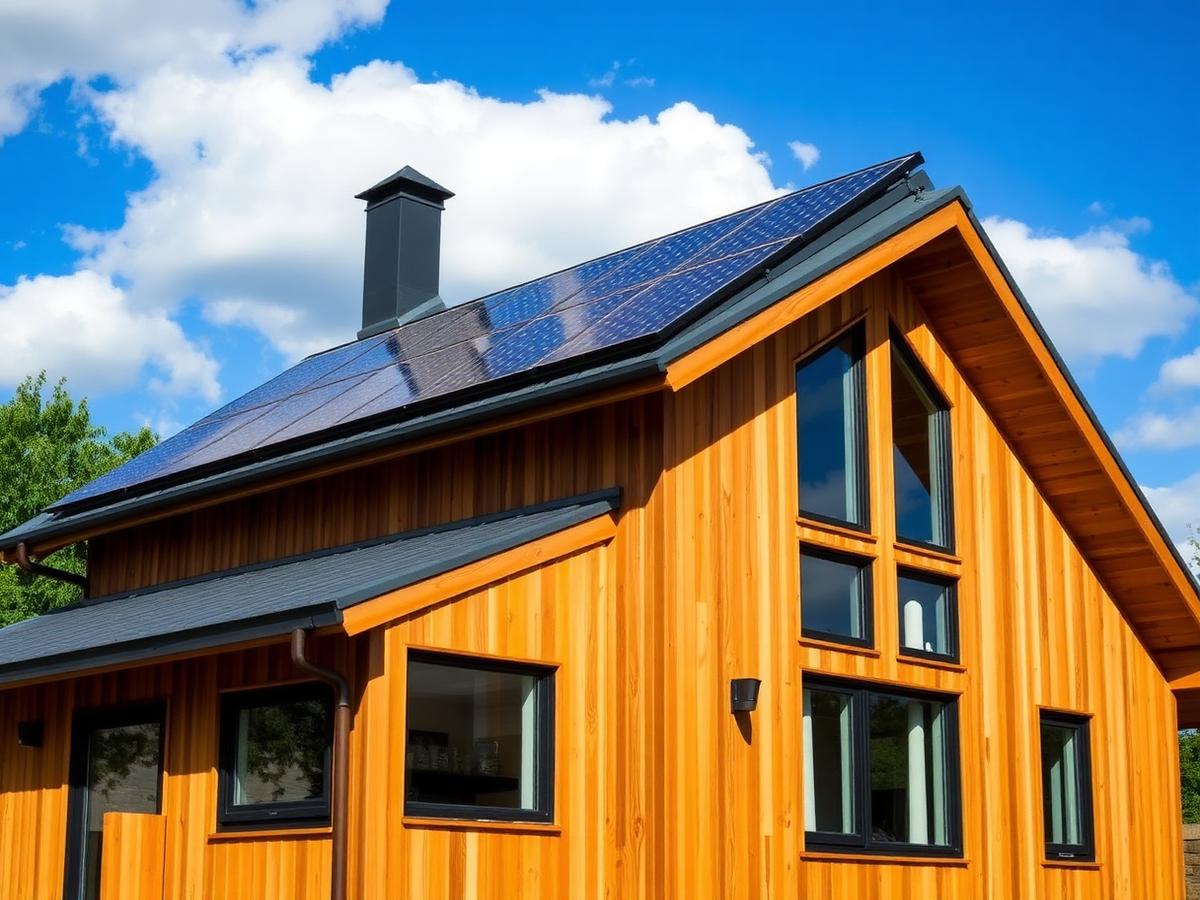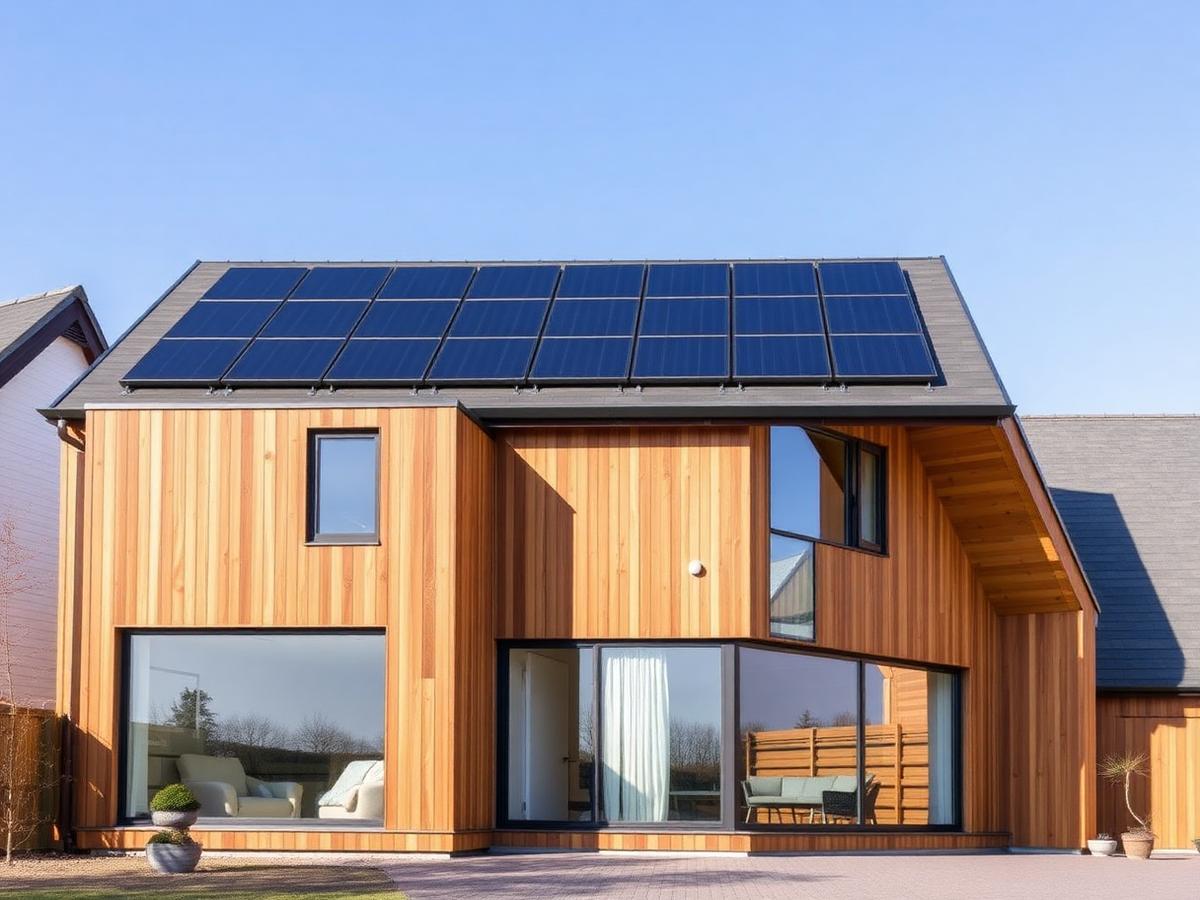
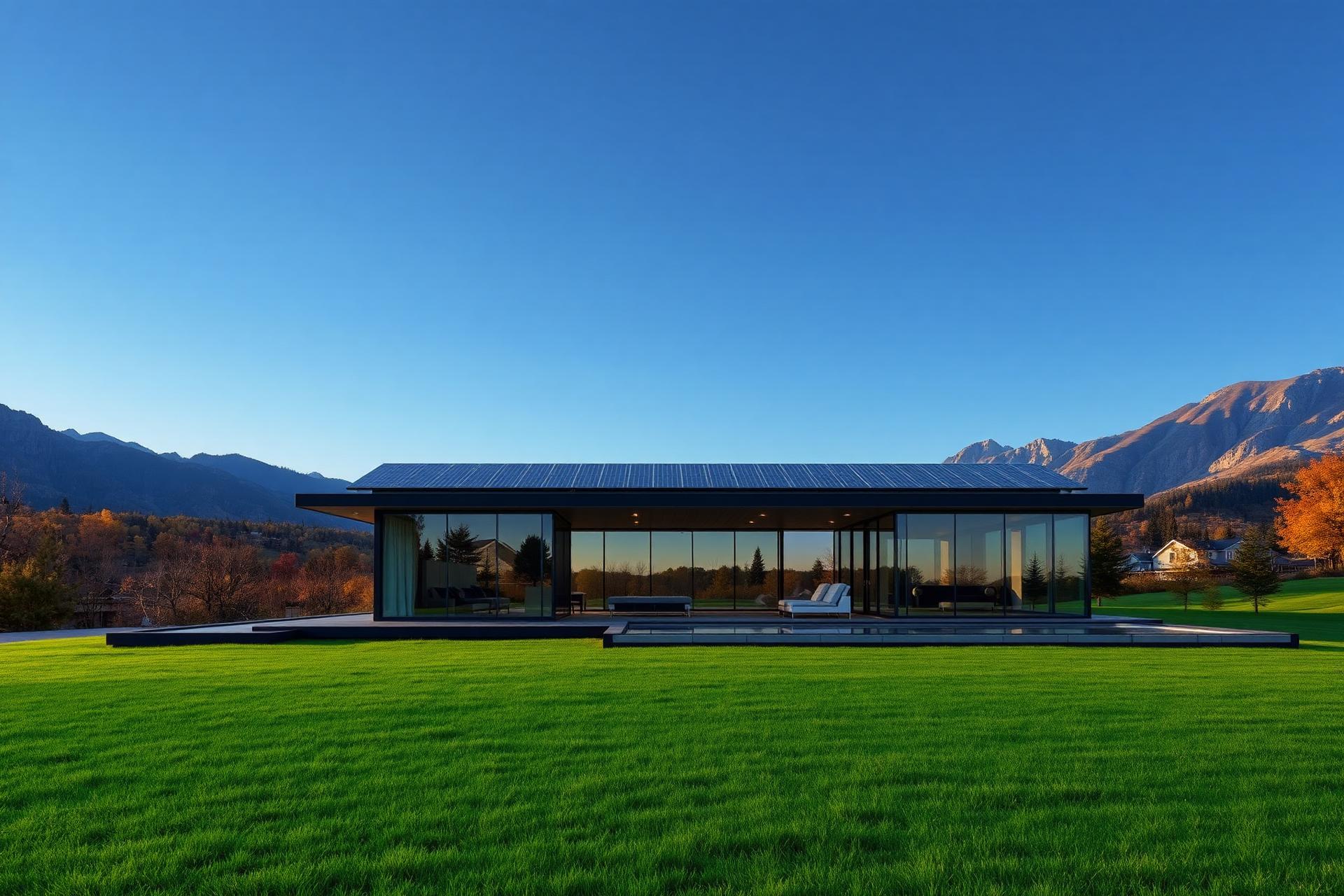
Building-integrated photovoltaics (BIPV) turn a building's own glass, cladding, and roof into solar generators, delivering clean power without changing the architecture.
Conventional solar means panels bolted onto a finished building. Building-integrated photovoltaics take a different path: the glass façade, the stone-look cladding, and the roof tiles are themselves photovoltaic, so the building envelope itself generates the power.
For developers and architects in Iraq and the Kurdistan Region, this matters: BIPV replaces materials the building needed anyway, so a single surface offsets both an energy bill and a construction cost.
"The most efficient solar panel is the one that was going to be a wall anyway."
Energy designed into the building
A well-designed solar glass façade covers a meaningful share of a building's daytime demand, and monitoring keeps performance visible. Instead of treating energy as a fixed overhead, owners plan around reliable on-site generation.
One surface, two jobs
The result is a building that shelters its occupants and powers them too, quietly, from surfaces that would otherwise be pure cost. That is the promise of BIPV, and why it is spreading fast across sun-rich markets like Iraq and the Kurdistan Region.